
Understanding Cuba Sanctions: Comprehensive Guidance for Compliance
The U.S. sanctions on Cuba have long been a topic of debate and confusion. As the political landscape shifts, it’s crucial for individuals and organizations to have clear guidance on Cuba sanctions to navigate these complexities effectively. This article aims to provide a detailed overview of the sanctions, their legal framework, restrictions, and implications for businesses and travelers.
Historical Background of Cuba Sanctions
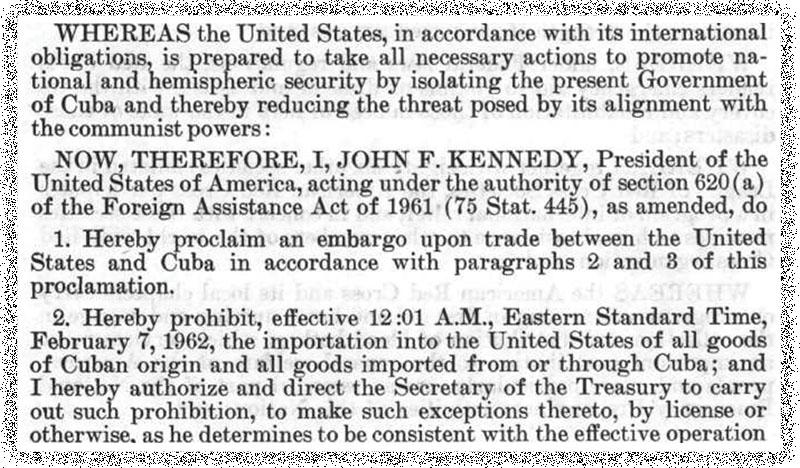
The U.S. sanctions against Cuba date back to the early 1960s, during the Cold War, when Fidel Castro’s government declared itself a socialist state and aligned with the Soviet Union. The primary goal was to hinder Cuba’s ability to sustain its economy and promote democratic reforms. Over the decades, these sanctions have evolved, reflecting changing political stances and diplomatic efforts. They represent one of the longest-standing trade restrictions in modern history.
Legal Framework
The legal foundations of the U.S. sanctions on Cuba are primarily established through two pieces of legislation:
- The Trading with the Enemy Act (TWEA): Enacted in 1917, this law gives the President the authority to regulate trade with countries deemed as enemies during wartime.
- The Cuban Democracy Act (CDA) of 1992: This act reinforced existing sanctions and introduced new restrictions, especially concerning the Cuban government’s human rights abuses and lack of democratic processes.
These laws are enforced by the Office of Foreign Assets Control (OFAC), which provides guidelines and updates regarding permissible activities and transactions.
Types of Sanctions
U.S. sanctions on Cuba consist of various measures, including:
- Trade Restrictions: Most products and services from the U.S. are prohibited from entering Cuba. There are, however, exceptions for certain goods like food and medicine.
- Travel Restrictions: U.S. citizens face limitations on travel to Cuba, although some categories, such as family visits and educational activities, may be allowed.
- Financial Restrictions: U.S. banks are prohibited from conducting transactions with Cuban entities, and financial dealings with Cuba are heavily scrutinized.
- Investment Ban: American companies are generally barred from investing in Cuban businesses, apart from specific exceptions that have been made in recent years.
Recent Developments
The sanctions landscape is subject to change based on U.S. administration policies. In recent years, there have been attempts to ease restrictions, particularly in the Obama administration, which aimed to normalize relations with Cuba. However, subsequent administrations have reinstated many of these sanctions, emphasizing a harder stance towards the Cuban government.
In 2021, several new measures were introduced, reflecting the U.S. government’s focus on human rights and changes in diplomatic relations. Understanding these shifts is vital for compliance, as they directly impact businesses and individuals looking to engage with Cuba.
Implications for Businesses
Businesses interested in exploring opportunities in Cuba must navigate a complex legal environment. Here are some considerations:
- Due Diligence: It’s essential to conduct thorough research and due diligence before engaging in any transactions with Cuban entities. Companies must ensure they are not inadvertently violating sanctions.
- Consultation with Legal Experts: Given the intricacies of the sanctions, businesses should consult with legal experts experienced in international trade law to mitigate risks.
- Monitoring Regulatory Changes: The sanctions can change rapidly, depending on the political climate. Businesses should stay informed about any modifications to the regulations.
Guidelines for Travelers
For U.S. citizens considering travel to Cuba, understanding the legalities is paramount. Here are some key guidelines:
- Authorized Travel Categories: Ensure that your travel falls under one of the authorized categories, such as family visits, journalistic activities, or educational exchanges.
- Travel Insurance: It’s advisable to obtain travel insurance that covers potential legal issues arising from sanctions violations.
- Documentation: Keep thorough records of all transactions and activities undertaken while in Cuba, as proof of compliance with regulations.
Conclusion
Navigating Cuba sanctions is not without its challenges. Whether you are a business looking to expand or an individual planning a trip, understanding the legal framework and potential implications is crucial. By staying

informed and seeking proper guidance, one can effectively manage the risks associated with Cuba sanctions, ensuring compliance and fostering a better understanding of the nuances involved in engaging with Cuba.