
Understanding Money Transfers: A Comprehensive Guide
Money transfers are an essential service in our globalized world, facilitating financial exchanges across borders. Whether it’s sending money to family, making payments for services, or engaging in international trade, understanding the mechanisms, costs, and regulations surrounding money transfers is crucial. For more information on specific regions, such as risks and permitted channels for money transfers to Iran, check out this resource: information on money transfers to Iran https://woodbridgebrewingco.com/pgs/money-transfers-to-iran-risks-and-permitted-channels.html.
Types of Money Transfers
Money transfers can be broadly categorized into several types, including bank transfers, online transfer services, and cash transfers through agents. Each method has its unique features, advantages, and disadvantages, which can affect transfer speed, fees, and convenience.
Bank Transfers
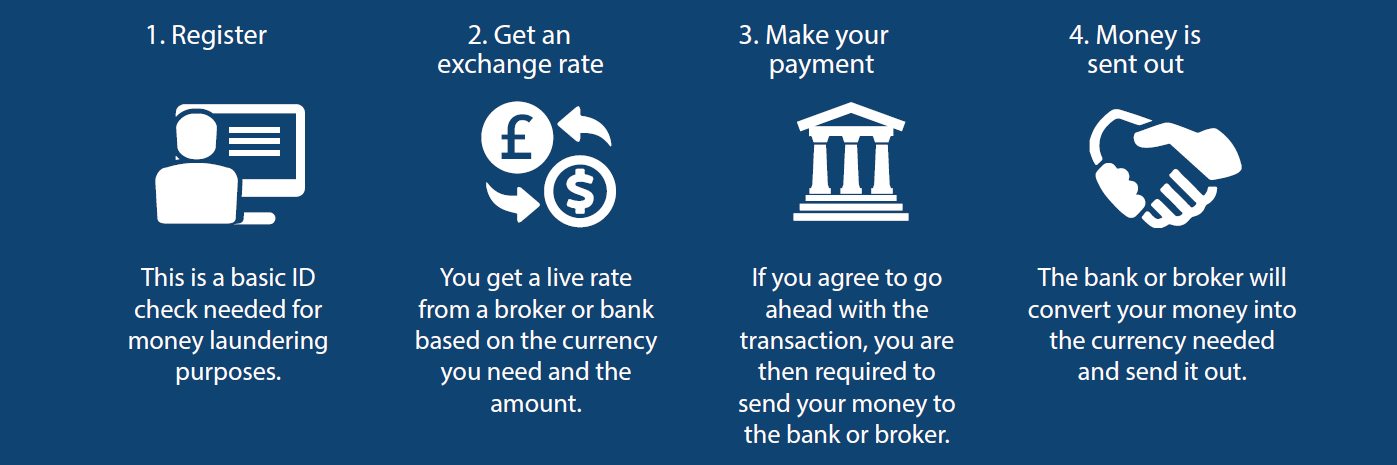
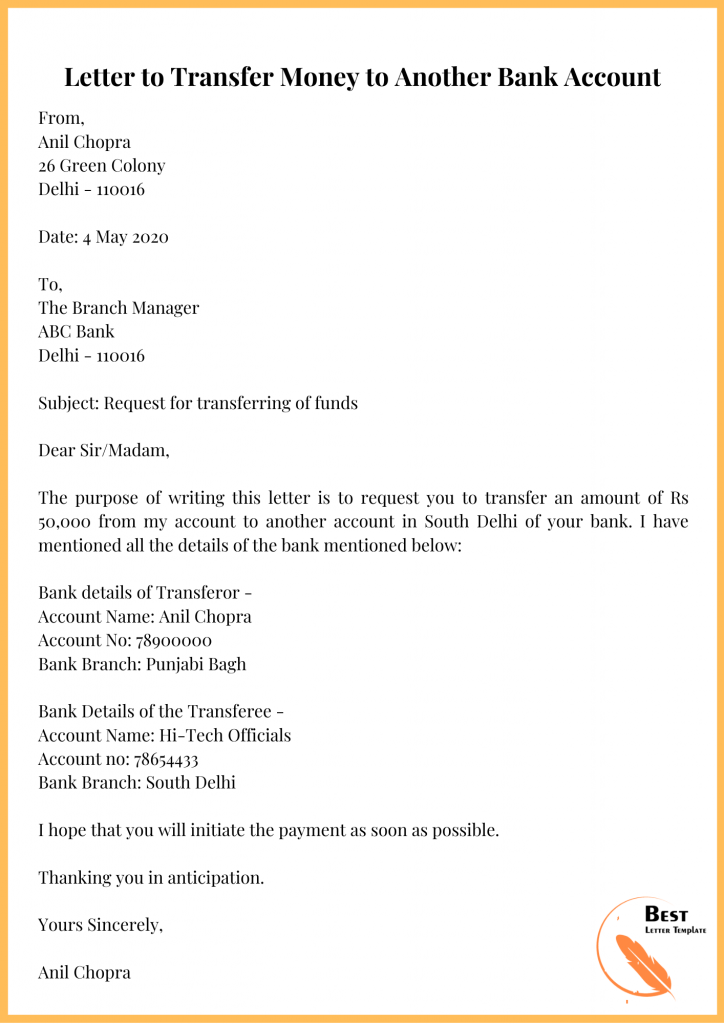
Bank transfers are one of the most traditional and commonly used methods for sending money. They can be executed through various channels, including online banking, mobile apps, or directly at a bank branch. Banks typically offer international wire transfers that connect different banking systems; however, they may be subject to high fees and longer processing times. Furthermore, regulations can vary significantly between countries, impacting the transfer experience.
Online Transfer Services
Online transfer services like PayPal, Wise (formerly TransferWise), and Remitly have revolutionized the money transfer industry. They allow users to send money quickly and often at lower rates than traditional banks. These platforms often provide real-time currency conversion and can be accessed conveniently via smartphones or computers, making them an excellent choice for tech-savvy users.
Cash Transfer Agents
Companies like Western Union and MoneyGram provide cash transfer services that enable users to send physical cash to recipients. These services can be highly beneficial in regions where banking infrastructure is lacking. Recipients can collect the cash from local agents, making this method particularly popular in areas with limited access to banking services.
Costs Involved in Money Transfers
When transferring money, it is essential to consider the costs involved. Fees can vary greatly depending on the method of transfer, the amount being sent, and the countries involved. Here are some common types of costs associated with money transfers:
- Transfer Fees: Most services charge a fee for processing the transaction. This can be a flat fee or a percentage of the total amount sent.
- Exchange Rate Margins: If you’re sending money in a different currency, be aware that transfer services might impose a markup on exchange rates.
- Receiving Fees: The recipient may incur fees upon receiving the funds, especially with cash transfer services.
Speed of Money Transfers
The speed at which money can be transferred varies significantly by method and destination. While some online transfer services can deliver funds almost instantaneously, traditional bank transfers, particularly international wires, may take several business days. Emergencies can necessitate quick access to funds, so the method chosen should account for the required speed.
Security Risks
Security is a primary concern when it comes to money transfers. Here are some risks that users should consider:
- Fraud: Scams are prevalent in the money transfer space. Always ensure that the recipient is trustworthy.
- Data Breaches: Using online services increases the risk of personal and financial information being compromised if the platform does not have robust security measures.
- Regulatory Risks: Different countries have varying regulations regarding money transfers. Users need to be aware of these rules, especially when transferring to or from countries with strict financial laws.
Best Practices for Sending Money
To ensure a seamless and secure money transfer experience, consider the following best practices:
- Always verify the recipient’s details before sending money.
- Choose the most appropriate method based on costs, speed, and convenience.
- Stay informed about the regulations in the recipient’s country.
- Utilize secure platforms with positive reviews and transparent policies.
- Keep records of transactions, including confirmation numbers and receipts.
The Future of Money Transfers
As technology evolves, the future of money transfers is likely to see increased automation, the use of cryptocurrencies, and enhanced regulatory measures. Fintech companies are at the forefront, constantly innovating to provide faster, cheaper, and more secure transfer options. Furthermore, as global mobility increases, the demand for efficient money transfer services will only intensify, highlighting the need for ongoing improvements in this sector.
Conclusion
Understanding the various options for money transfers, their costs, and associated risks is pivotal for anyone needing to send or receive money internationally. By taking the time to research and choose the right method, individuals can save money and ensure that their funds arrive securely and promptly. With the financial landscape continuously changing, staying informed will enable users to navigate the complexities of money transfers more effectively.